


Finding your best bathroom furniture
Why modular bathroom furniture offers flexibility and multiple solutions
Why modular bathroom furniture offers flexibility and multiple solutions
The bathroom is a constantly evolving space and its components need to be versatile. From serving functional, everyday requirements to creating a space that makes daily routine more enjoyable, furniture shapes how freely you can move through the room to how easily you can find what you need. A poorly considered furniture unit, a cabinet that's just slightly too narrow, shelving in the wrong place: these things add up into daily friction and inconvenience. The question isn't just about appearance; it's about choosing bathroom furniture that offers the most control over how your bathroom space functions and adapts to your daily life.
Modular bathroom furniture is built around a simple principle: rather than buying a fixed, all-in-one unit, you select individual components. Inspira’s wall-hung auxiliary units, Extra’s wall-hung cabinets, Verso’s long open shelves or even mirror units, are pieces that work together as a cohesive system. The difference sounds subtle, but in practice it can be significant.
With fixed furniture, you adapt to the piece. With modular furniture, the piece adapts to you. A system such as Verso is designed so that you choose the configuration that suits your space, your storage needs and your aesthetic, and if those things change, the furniture can change with them. This is design that puts the decisions where they belong: in your hands.
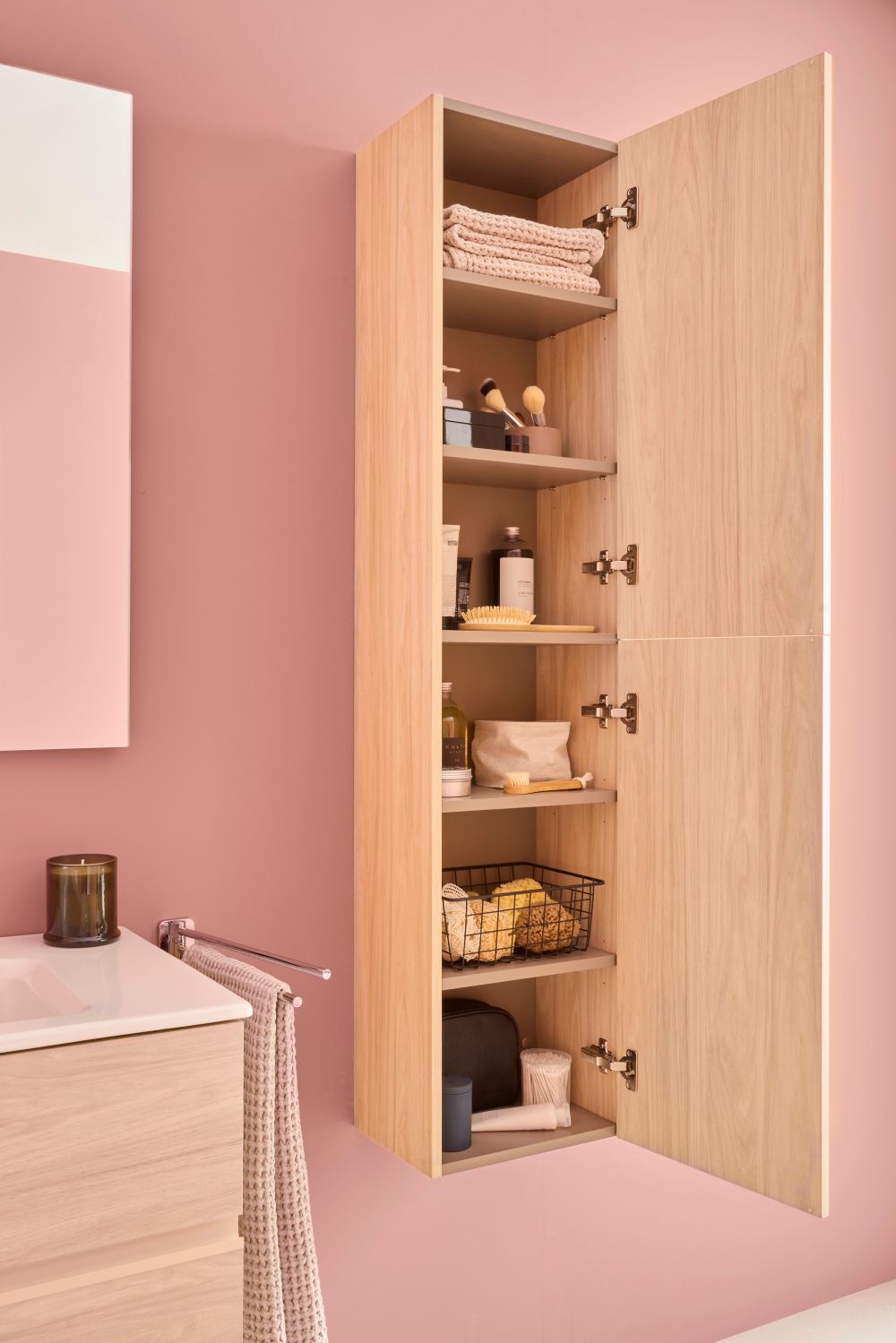
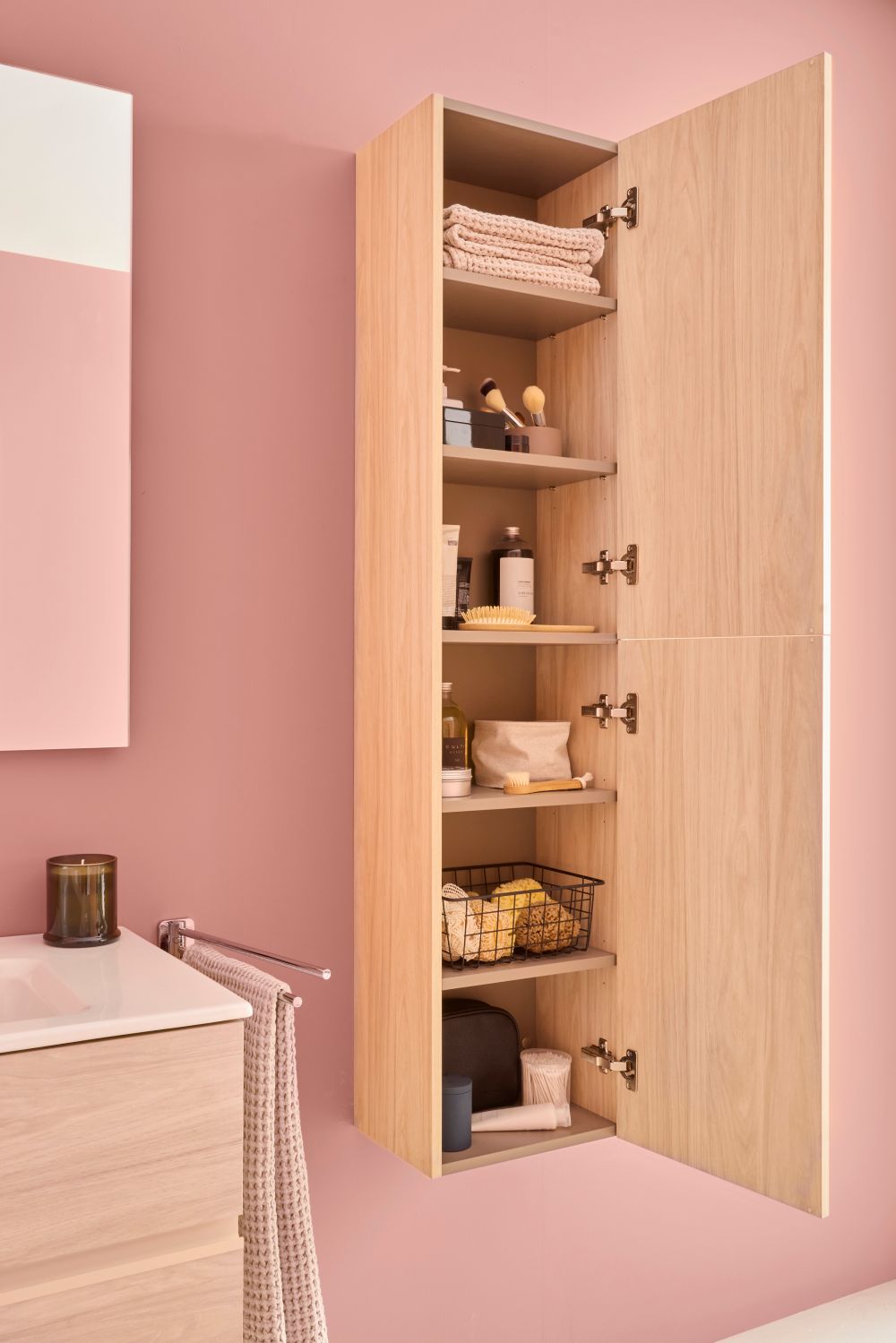
Extra column unit with two doors in light ash finish
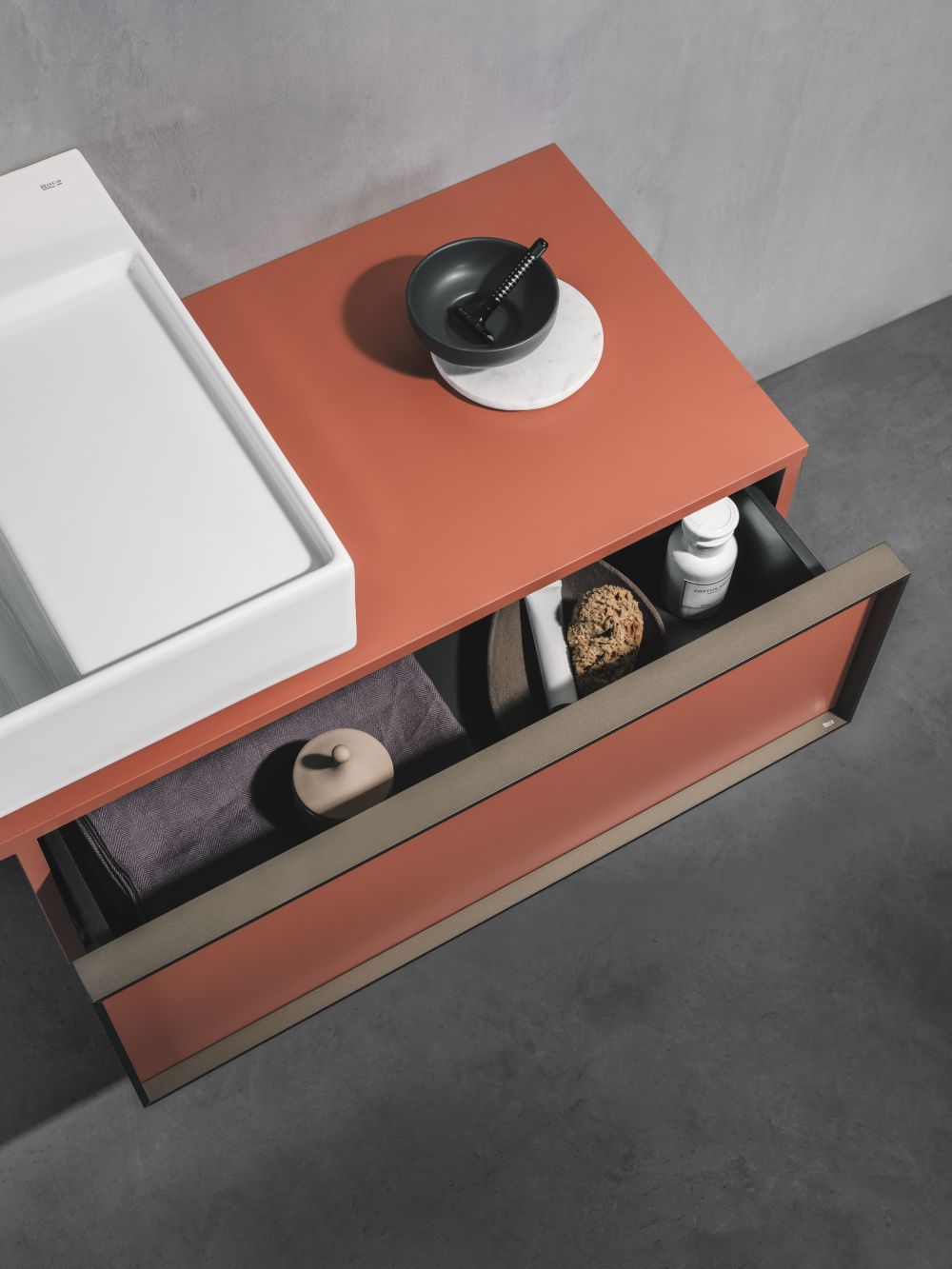
Verso base unit with one drawer, auxiliary side unit with one door, and lower auxiliary shelf in magnolia finish, with Ona countertop basin and basin faucet in matt black finish
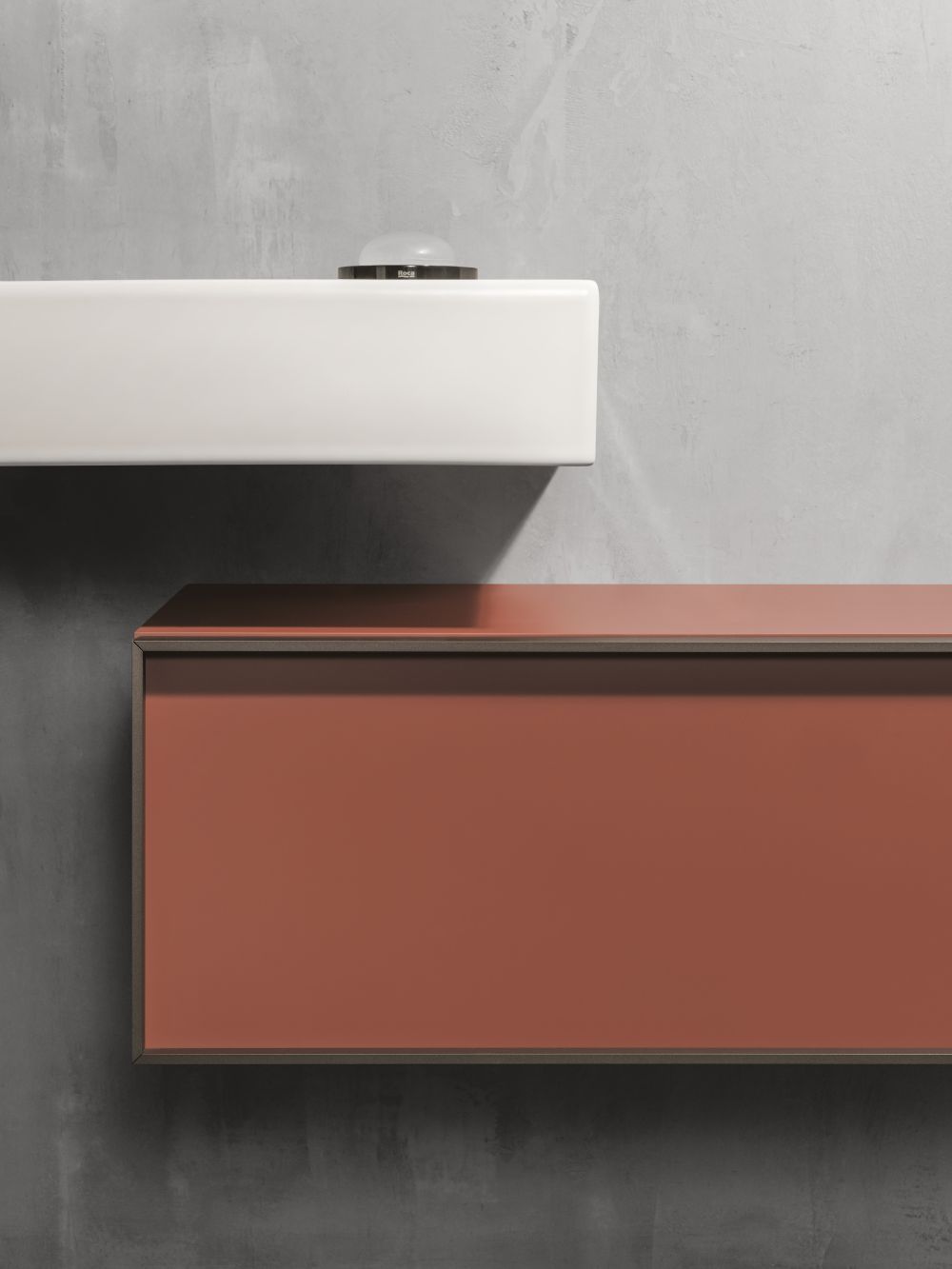
Few bathrooms are perfectly straightforward spaces. There are awkward alcoves, load-bearing walls in inconvenient places, sloped ceilings, shared family bathrooms that need to serve very different users. Modular systems help build a space around these issues. Verso’s wall-mounted double or single base units, free up floor space visually and practically — making even a compact bathroom feel more open.
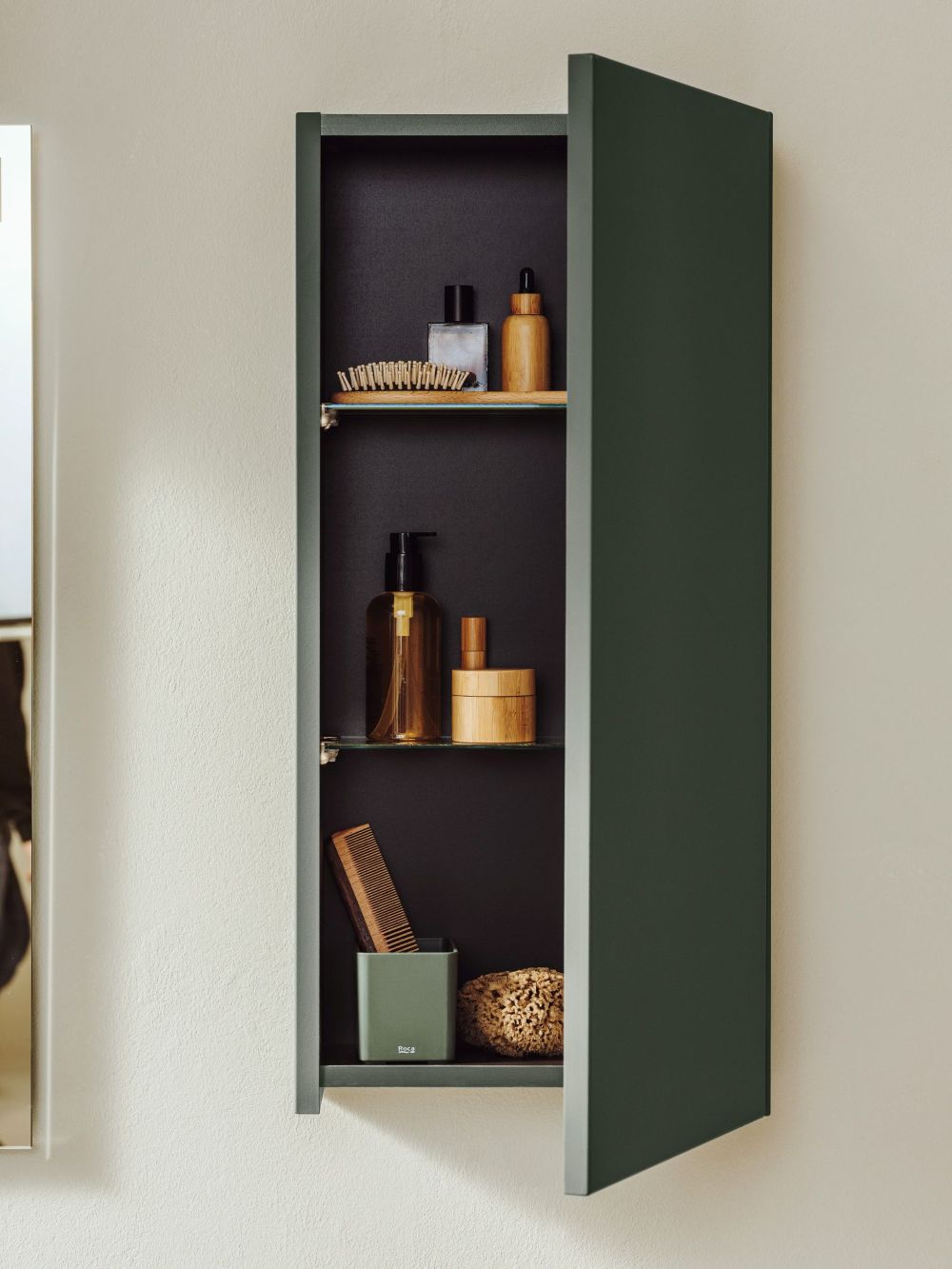
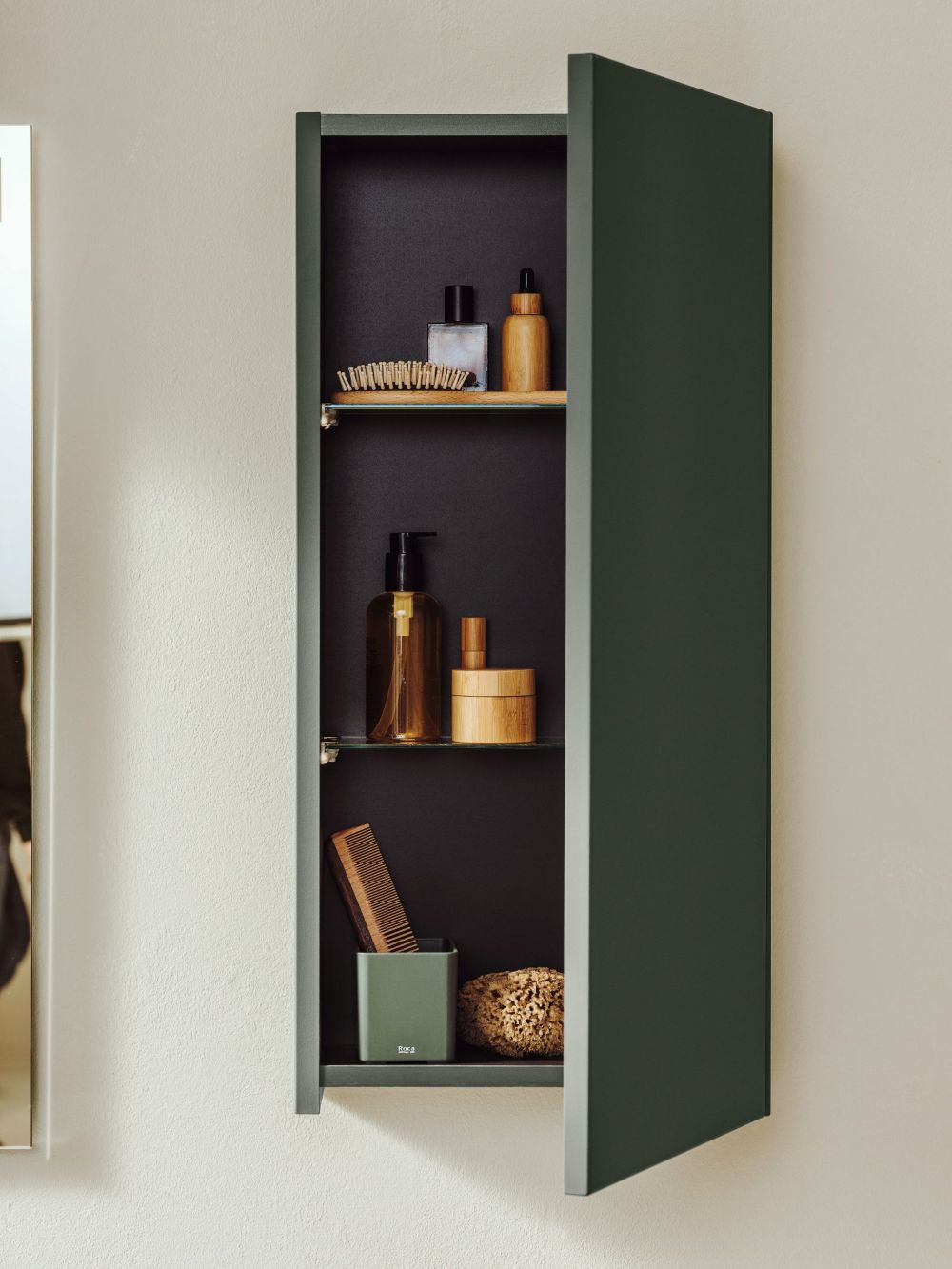
The Inspira wall-hung auxiliary cabinet can be positioned at the height that makes sense for the people using them, whether down low for those with mobility concerns or up high, to keep certain items out of reach of children. Storage cabinets, including wall-mounted auxiliary units, can be placed where you actually need it rather than where a single fixed design happens to put it. For a family bathroom, this might mean combining Verso’s double base unit with additional wall storage; for a smaller en-suite, a slimmer, Verso’s one drawer and one shelf configuration might suit perfectly. The system adjusts so you don't have to compromise.
There's a common assumption that flexibility comes at the cost of coherence, that a mix-and-match approach will produce a disjointed result. Delta Modular is an adaptable design concept that offers a new approach to using that often awkward space behind the toilet. The elegant cabinet system includes spaces for wall-hung toilet installation systems, including the integration of Duplo systems, as well as added cabinets, including auxiliary units, top units, low modules and panels. Delta Modular’s closed cabinets can be single or double height, with an open shelf or a fully closed system. The system grows as you need and customised to create a sense of balance and harmony. When components are developed within a consistent design language, combining them doesn't create chaos; it creates a considered whole. This also means you can personalise without stress.
Choosing a finish, coordinating with sanitaryware, deciding how open or enclosed the storage should be, these decisions can be made thoughtfully, knowing they'll work together. Delta Modular is designed to easily combine with other Roca collections thanks to the variety of finishes that it offers. It's about personalisation with confidence, rather than the anxiety of hoping individual pieces will somehow feel right together.
Delta Modular (back of the toilet) with Verso modular furniture.
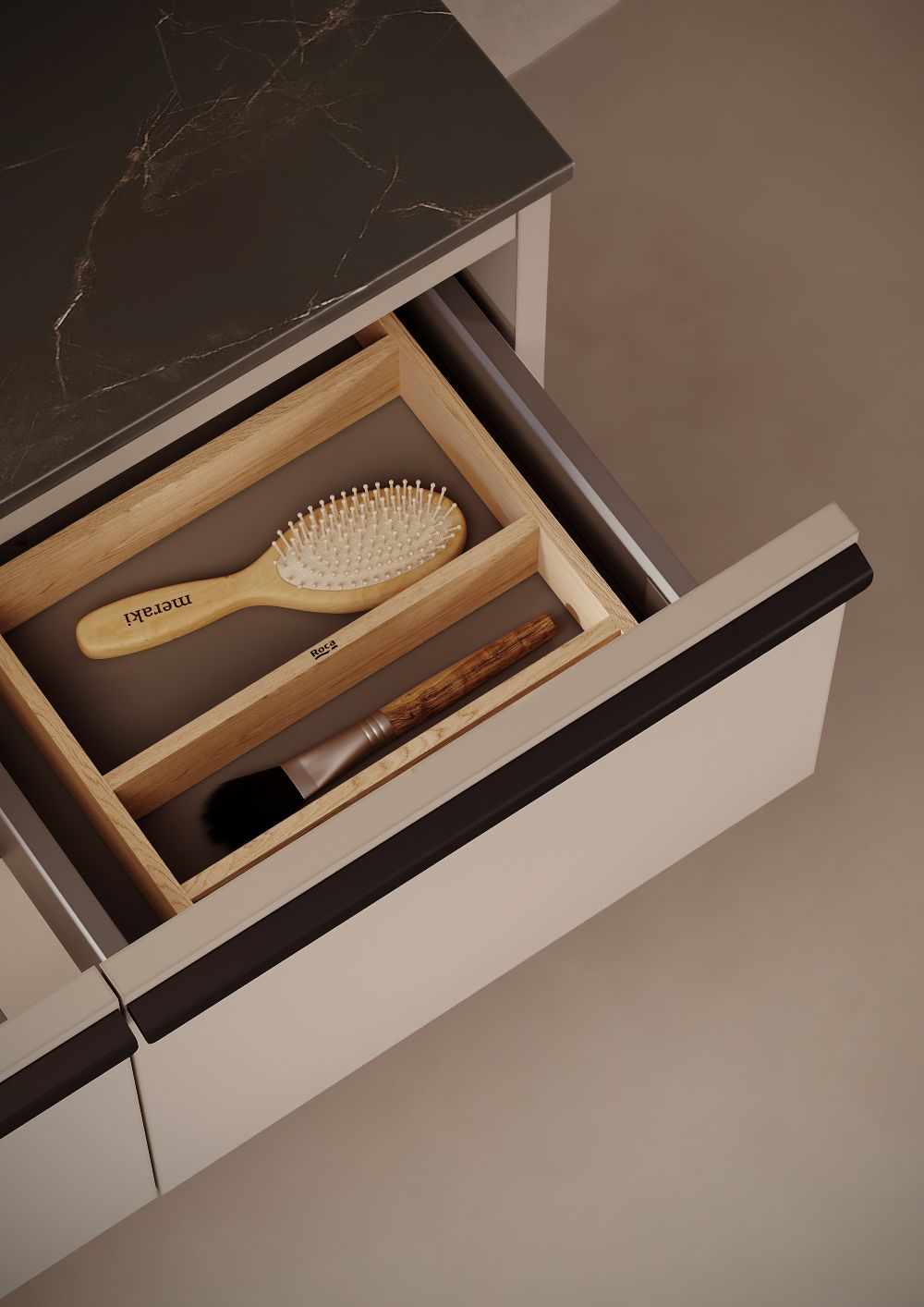
Bathrooms are often renovated with a current moment in mind — a new home, a growing family, an aesthetic shift. But lives change, and bathrooms need to change with them. A modular system such as Verso can start with a household of two adults that then grows to accommodate children, elderly relatives, or shifting accessibility needs. A long single Verso drawer and open shelf might work for two, but when needs shift, another drawer or shelf can easily be added, as can one of Verso’s column unit with two-drawers, all while keeping the same look and finish. Or, perhaps it’s the other way around. Kids move out, and homes need to be reconfigured. A Verso drawer can be removed or an Inspira auxiliary cabinet moved out of the bathroom and into another room entirely. This kind of long-term adaptability isn't just convenient, it's financially sensible. You're investing in a system that can evolve, rather than a fixed solution that may need to be replaced entirely.
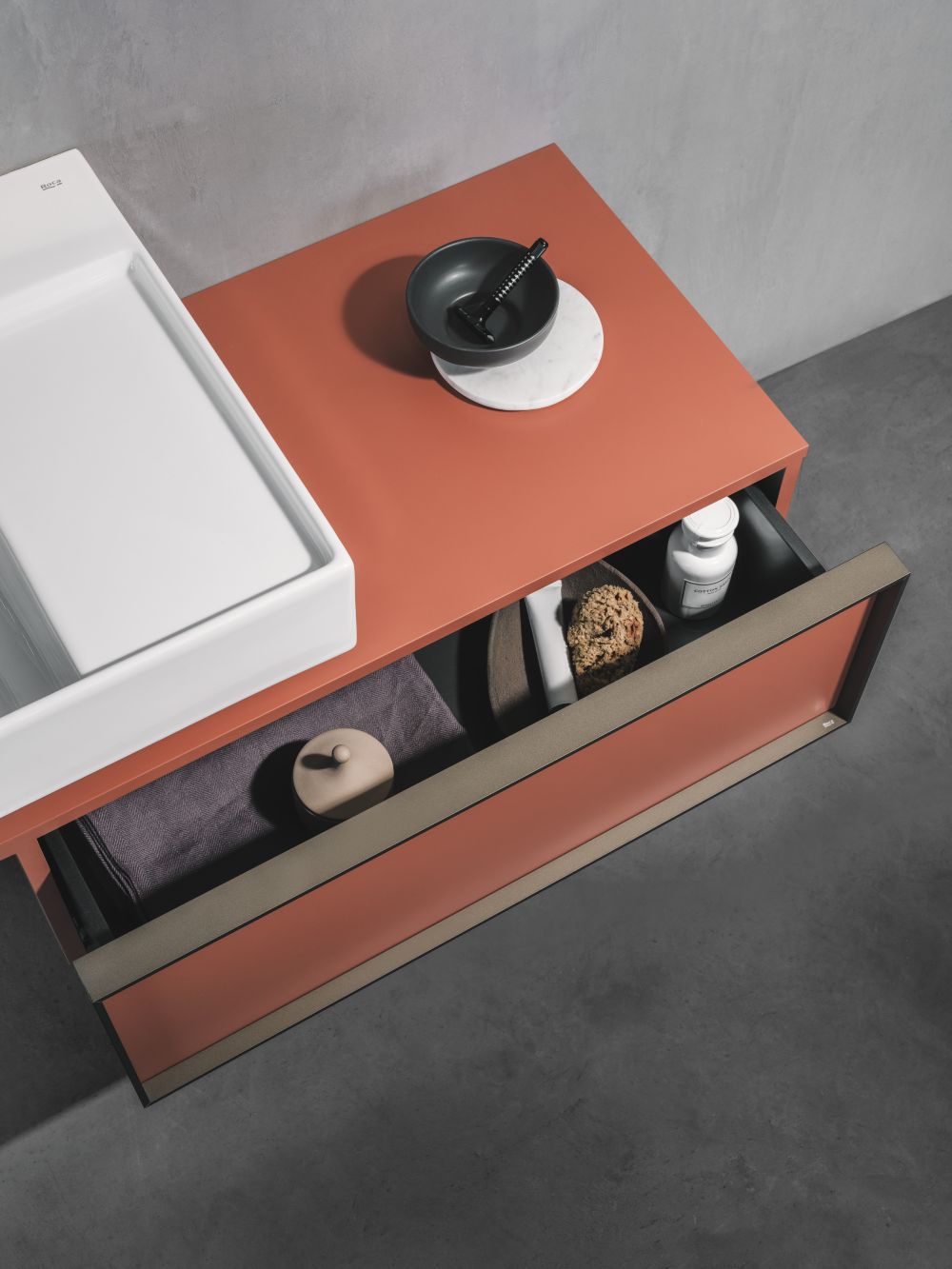
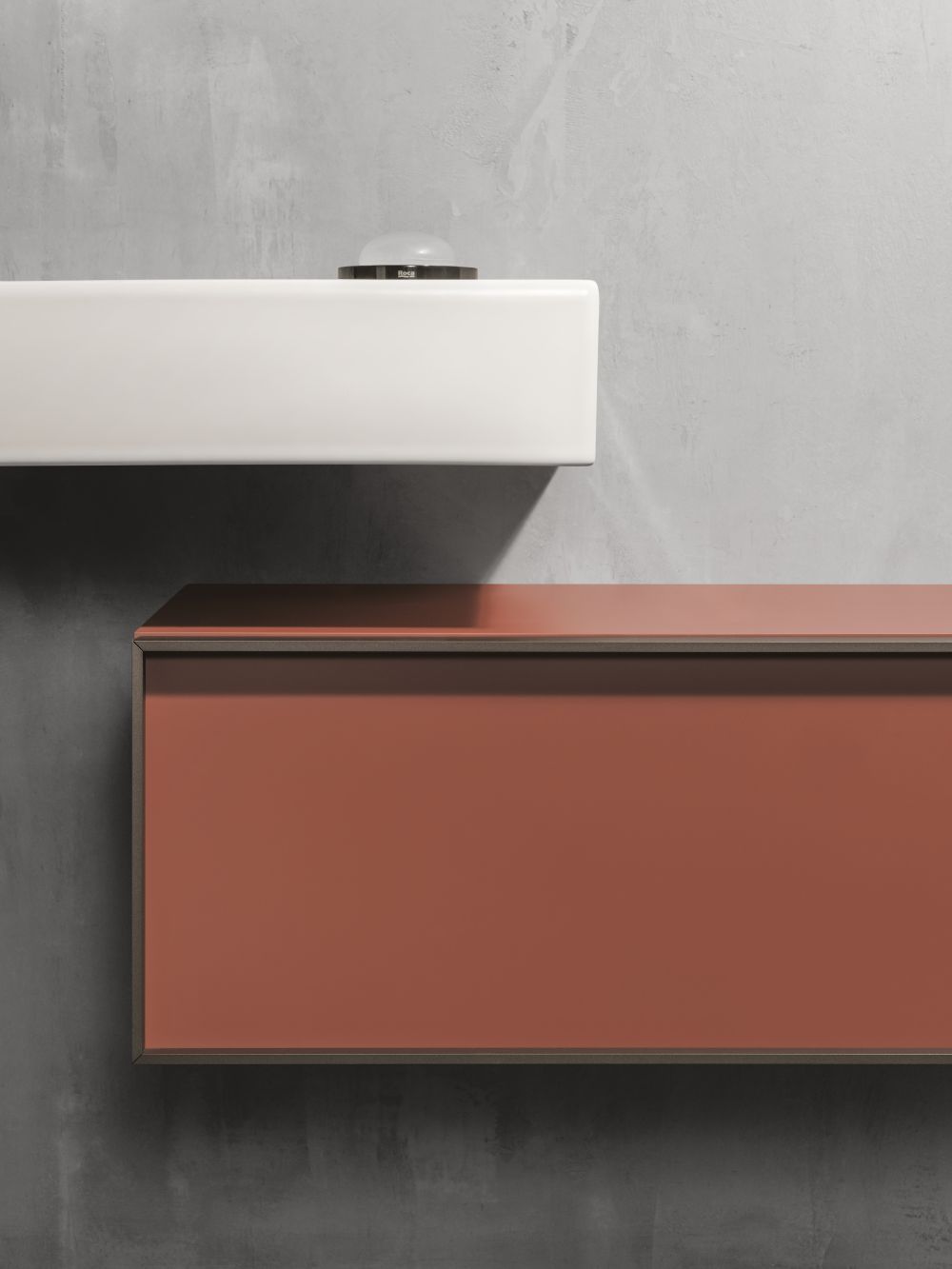
Verso base unit with two-drawers, lower cabinet with two-doors, and an auxiliary side unit with one-door in terracotta finish
Quality bathroom furniture is an investment, and like any investment, it benefits from thinking beyond the immediate moment. Modular systems offer a straightforward advantage here: if a single component is damaged, worn or simply no longer fit for purpose, it can be replaced without discarding everything else. As your needs change, you add to what you have rather than starting over. This durability, both physical and functional, is what separates thoughtful modular design from furniture that simply looks good for a few years before feeling limiting.
The goal isn't to create the perfect bathroom for today. It's to create a bathroom that continues to work well as today becomes tomorrow. Modular bathroom furniture allows you to design with confidence today — and adapt with ease in the future. The right system doesn't just fit your bathroom; it fits your life.